The Warm Welcome You’ll Find at a Cafe in Monument, CO
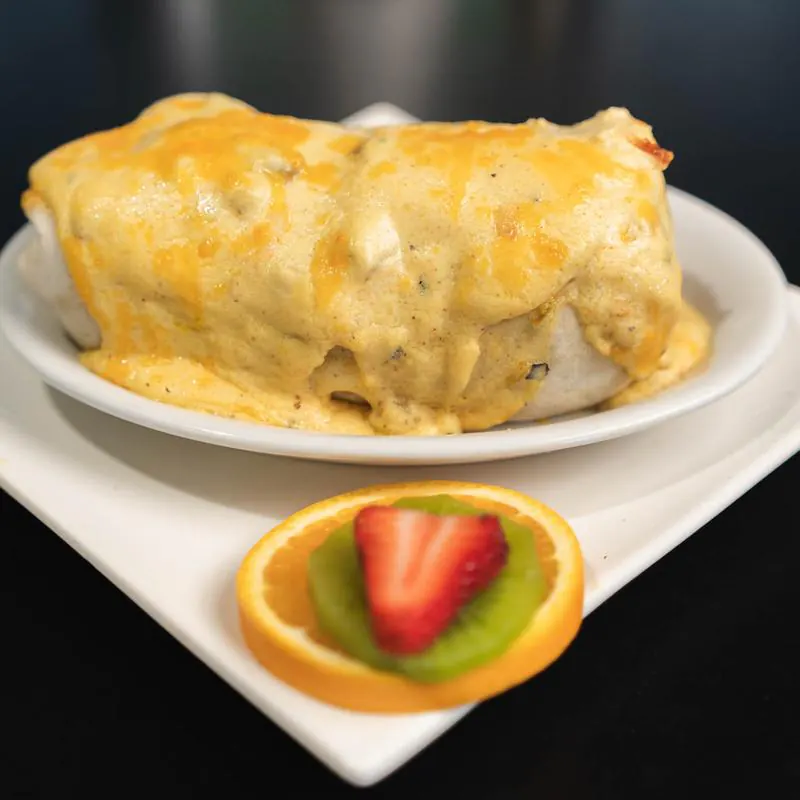
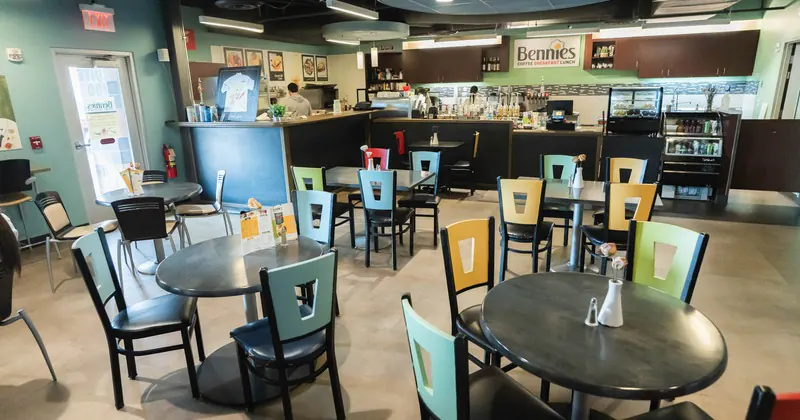
A good cafe does more than pour coffee. It sets the tone for a morning, gives shape to an afternoon, and, on the best days, makes a town feel smaller in the right way. In Monument, Colorado, that warm welcome matters. This is a community where people notice one another, where regulars tend to remember faces, and where a local cafe often serves as a quiet social anchor as much as a place to grab breakfast or a latte.
Anyone searching for a Cafe Monument, CO experience is usually looking for more than caffeine. They want a place that feels easy to walk into, whether they are meeting a friend, opening a laptop for an hour, or simply taking a break after errands. They want a place with personality, but not attitude. They want quality without fuss. That balance is harder to achieve than it looks.
The most memorable cafes understand that hospitality Cafe Monument, CO starts before the first sip. It begins with the way the room is arranged, the pace at the counter, the eye contact from staff, the smell of coffee and baked goods, and the subtle signal that says, “You’re welcome here, stay a while if you’d like.” In a town like Monument, that feeling tends to stand out because people are not just passing through. Many are local, many return, and word travels quickly when a place gets the details right.
Why warmth matters in a town like Monument
Monument sits in a particular sweet spot. It has mountain-town charm, Front Range accessibility, and a pace that feels distinct from larger nearby cities. People often come through on their way to outdoor plans, school drop-offs, local appointments, or weekend drives. Others live here year-round and rely on familiar places to punctuate daily life. A cafe in this setting cannot act like it serves one narrow type of customer. It has to be flexible.
That means welcoming the early riser in hiking shoes, the parent with a stroller, the retiree catching up with neighbors, the remote worker scanning for an outlet, and the couple lingering over a late breakfast. The strongest local cafes make all of those people feel equally comfortable. They do not over-curate the experience to the point that it becomes stiff. They leave room for real life.
In practice, warmth often shows up in ordinary moments. A barista remembers that someone prefers less sweet syrup. A staff member brings out a pastry still slightly warm from the oven and mentions it with quiet pride. A table near the window stays occupied for an extra hour because nobody rushes the guest. On paper, those details sound small. In person, they shape the entire atmosphere.
People tend to return to places where they can exhale. That is especially true in communities where residents have choices. Along the Front Range, coffee culture has matured. Guests can tell the difference between a cafe that merely copies the visual language of hospitality and one that actually practices it. Clean counters, attractive mugs, and a seasonal menu help, but they do not create loyalty on their own. Genuine welcome does.
The first impression starts before the menu
Cafe Monument, COMost people think they decide how they feel about a cafe after they taste the coffee. Experience says otherwise. Usually, they decide within the first minute.
Parking matters more than owners sometimes admit, especially in smaller downtown corridors or busy suburban pockets. If arrival feels easy, guests begin in a better mood. Entry matters too. A clear front door, visible menu, and intuitive counter flow reduce friction. Nobody likes walking into a space and immediately wondering where to stand, whether to seat themselves, or whether they are blocking the line.
Lighting carries its own message. Warm, natural light invites people to settle in. Harsh overhead lighting can make even an excellent cafe feel transactional. Seating is another underappreciated choice. A room with only hard chairs tends to move customers through quickly. That may help during peak rush, but it can also flatten the sense of welcome. The best cafes usually mix seating types, a few two-tops for conversation, some larger tables for groups or laptops, and perhaps a softer corner that feels made for an unhurried cup.
Sound is often the hidden factor. Music should support the room, not dominate it. When a cafe gets acoustics wrong, every conversation competes with grinders, steaming milk, and background tracks turned just a bit too high. When it gets them right, the room feels alive without becoming tiring.
These are not glamorous details, yet they often separate a pleasant stop from a place people actively seek out.
Service that feels personal, not performative
There is a difference between polished service and warm service. The polished version hits the expected lines and keeps transactions moving. The warm version reads the room. It knows when to chat and when to keep things efficient. It notices whether a guest is looking for recommendations or simply trying to survive the morning school run with caffeine as quickly as possible.
That judgment is a skill. It usually comes from training, but also from staff stability. Cafes with low turnover often feel more grounded because employees develop confidence, rhythm, and familiarity with regulars. Guests pick up on that. They can tell when a team works well together and when every shift feels improvised.
At a strong local cafe, recommendations feel specific. Instead of hearing a generic “everything is good,” a guest might hear something more useful: the breakfast burrito is substantial enough to hold you through lunch, the house drip leans smooth rather than acidic, the quiche sells out early on weekends, or the chai runs sweeter than some people expect. That kind of guidance saves people from disappointment. It also signals respect for the customer’s preferences.
Warmth does not mean overfamiliarity. Not everyone wants a long conversation at the register. Good staff know how to offer welcome without putting a guest on the spot. That balance is particularly important in a community setting where some people visit for connection and others come precisely because they want a calm, low-pressure corner of the day.
Coffee is still the foundation
All the friendliness in the world cannot rescue a mediocre cup of coffee. Hospitality may get someone through the door once, but quality brings them back.
At a cafe in Monument, CO, guests often expect a menu that can satisfy both casual coffee drinkers and more particular ones. Some want a simple brewed coffee, hot and dependable. Others want an espresso drink with texture, balance, and milk steamed properly rather than scalded into sweetness. The challenge is meeting both expectations without turning the menu into a lecture.
A well-run cafe pays attention to consistency first. Temperature, extraction, and freshness matter. So does speed. During a morning rush, even excellent drinks can lose their appeal if the line moves too slowly or orders pile up with no communication. The best places build systems that preserve quality under pressure. That usually means clear roles behind the counter, sensible menu design, and enough discipline not to add five complicated seasonal drinks that slow everything to a crawl.
Pastries and breakfast items count too. In local cafes, food often shapes habits more than owners realize. Someone may stop by for coffee the first time, then return because the breakfast sandwich was genuinely good rather than an afterthought. Another guest may become loyal because the pastry case looks fresh at 10:30 rather than picked over. In my experience, people forgive a compact menu more readily than a bloated one. They appreciate places that do a smaller number of items well.
There is also a practical side to mountain-adjacent cafe culture. Customers heading out for a trail, a long drive, or a day of errands often want food that travels decently and coffee that stays balanced as it cools. That favors thoughtful wraps, burritos, scones, muffins, and sturdy breakfast options over dishes that depend on being eaten immediately with a knife and fork. A smart cafe respects how people actually use it.
The role of place, and why Monument changes the equation
A cafe in a large city can survive on novelty for a while. In a town like Monument, place matters more deeply. Guests often notice whether the space reflects the local setting or feels copied from somewhere else.
That does not mean every cafe needs rustic wood, mountain photography, and a chalkboard menu covered in pine-tree doodles. In fact, trying too hard can feel contrived. But there should be some sense that the cafe belongs where it is. Maybe that comes through in the pace, the friendliness, the use of local ingredients where practical, or the way the space welcomes both everyday regulars and weekend visitors from nearby areas.
Monument also has seasonal rhythms that shape cafe life. Winter invites slower mornings, heavier coats draped over chair backs, and a real appreciation for a hot drink served in a mug rather than a paper cup. Spring and summer bring more movement, more iced drinks, more people dropping in before or after time outside. Fall tends to bring its own energy, cooler air, local events, and a stronger appetite for cozy spaces. A good cafe responds to those shifts without becoming gimmicky.
One sign of maturity is restraint. Seasonal specials can be fun, but they work best when they still taste like coffee, tea, or well-made food rather than dessert chasing a trend. Guests remember when a place can offer something festive without sacrificing balance.
The customers help create the welcome
It is easy to talk about hospitality as if it comes only from staff, but regular customers contribute to the tone as well. In smaller communities, a cafe becomes welcoming partly because the people inside it model a certain kind of behavior. They hold doors. They make room at crowded condiment counters. They greet neighbors. They know how to linger without occupying space carelessly during busy times.
You can feel this within minutes of walking into a healthy local cafe. There is conversation, but not clamor. People seem relaxed, not territorial. Newcomers are not treated like intruders. That kind of social texture cannot be manufactured overnight. It develops when a business earns trust over time and when management makes clear, through the way the space is run, what kind of place this is.
Families notice this quickly. So do solo visitors. If a person can walk in alone and feel comfortable reading, working, or simply enjoying a cup without self-consciousness, the cafe is doing something right. Not every coffee shop manages that. Some feel built for groups only. Others are so laptop-heavy that conversation seems disruptive. The strongest ones accommodate both.
What locals tend to value most
Ask regular cafe-goers what keeps them loyal, and their answers are often more practical than poetic. They appreciate friendliness, yes, but they also care about reliability. If a place opens when it says it will, keeps the coffee solid, maintains clean tables, and treats people well, it earns trust. Trust is what turns a cafe from an occasional stop into part of someone’s weekly routine.
Price enters the conversation too. Most people understand that quality ingredients, labor, rent, and utilities add up. They are not necessarily looking for the cheapest option. They are looking for value that feels fair. A thoughtfully made drink and a fresh breakfast item can justify a higher ticket if the experience supports it. What frustrates guests is paying premium prices for generic service or inconsistent quality.
There is also a subtle but important difference between efficiency and hurry. Locals often appreciate a cafe that moves with purpose but does not make everyone feel rushed. That is especially true in Monument, where many people choose to live partly because they prefer a pace that is less frantic than larger surrounding areas. A warm welcome aligns with that expectation. It says that your time matters, but so does your presence.
Small details that people remember for years
Many cafe owners focus on big decisions, renovation costs, equipment, branding, and menu development. Those matter, certainly. Still, guests often form lasting impressions from details that cost far less.
A genuinely clean restroom tells people the business pays attention. Water easily available without having to ask helps more than many managers realize, especially in Colorado’s dry climate. Comfortable cups, a sensible amount of table spacing, and a pastry display that looks appealing rather than chaotic all register quietly in the mind.
Even the way a drink is handed across the counter matters. A quick name call with no eye contact feels different from a moment of acknowledgment. Neither takes long, but one creates connection. Over hundreds of transactions, those moments build the character of the place.
I have seen cafes with excellent coffee lose regulars because they made the room feel stressful. I have also seen modest spaces with limited menus thrive because they treated guests well, stayed consistent, and created an environment where people wanted to return. Usually, the difference comes down to discipline. Warmth is not accidental. It is a series of repeated choices.
Choosing the right cafe experience for the moment
Not every visit asks for the same thing. Sometimes you need a quick stop with fast service and no fuss. Sometimes you want a table, a second cup, and enough quiet to think. A strong Cafe Monument, CO option understands these different use cases and can serve them without confusion.
If you are meeting someone for conversation, you will likely notice noise level and seating comfort first. If you are working remotely for an hour or two, outlet access, Wi-Fi reliability, and table spacing suddenly matter more. If you are heading outdoors, grab-and-go speed and portable food rise to the top. The most capable cafes support these needs without advertising themselves as everything to everyone. Their flexibility feels built in.
That is one reason warm hospitality has such staying power. It adapts. Fancy design can age. Trend-driven menus can fade. A staff that pays attention and a room that feels welcoming remain relevant in every season.
Why the best cafes become part of local identity
Every town has a few places that do more than serve their stated purpose. They become landmarks of routine and memory. People remember where they met a friend after a hard week, where they sat with a notebook before a job interview, where they brought visiting family on a crisp fall morning, or where they warmed up after a cold walk.
That is what the best cafe experiences offer in Monument. Not spectacle, not pretense, but a dependable sense of place. They give residents a familiar refuge and visitors an authentic first impression of the community. They create a setting where quality and comfort reinforce each other rather than compete.
A warm welcome, after all, is not one single gesture. It is the sum of many choices, made consistently, by people who understand that hospitality is practical as much as emotional. It lives in the drink, the food, the pace, the room, and the way people are treated when no special effort is required.
When a cafe gets that right, it becomes easy to recommend. Not because it chases attention, but because it earns affection. And in Monument, that may be the most fitting kind of success a local cafe can have.
Bennies Cafe
17230 Jackson Creek Pkwy Ste 100, Monument, CO 80132
+1 719-445-0660
FAQ About Cafe Monument, CO
What is considered a café?
A café is generally an informal place to enjoy refreshments and a meal. Bennies Cafe in Monument serves breakfast and lunch in a counter-service setting, with options including eggs Benedict, sandwiches and crepes. Guests can eat in or arrange pickup.
What is the difference between a coffee shop and a café?
The terms often overlap. A coffee shop usually emphasizes coffee and other drinks, while a café may offer a broader food menu. Check the individual establishment's menu rather than relying on its name. Bennies Cafe offers coffee drinks alongside breakfast and lunch dishes.
What is the difference between café and coffee?
In everyday English, a café is a place where people buy food and drinks, while coffee is the beverage. The word café comes from the French word for coffee. Bennies Cafe serves options such as brewed coffee, espresso and lattes as part of its drinks menu.