Finding Your New Favorite Drink at a Cafe in Monument, CO
There is a particular kind of relief that comes from walking into a good cafe when you do not quite know what you want yet. You are not chasing caffeine alone. You might need a quiet reset after a drive down Highway 105, a place to warm up on a cold Front Range morning, or a comfortable seat before a meeting. The right drink can change the whole visit. It can also change your idea of what you order every day.
That is part of the fun of spending time at a cafe in Monument, CO. Monument has the kind of pace that rewards paying attention. It is not a city built around rushing from one chain storefront to the next. People linger. They talk to staff. They return often enough to notice when a seasonal syrup tastes different from last year or when a barista starts pulling a brighter espresso. In a setting like that, finding your new favorite drink becomes less about chasing trends and more about recognizing what suits your taste, your mood, and the moment.
The best cafe experiences rarely come from ordering the exact same thing by habit forever. Familiar orders have their place, especially on busy weekdays, but a menu usually has more depth than most people explore. Sometimes the drink you end up loving is one you would have dismissed at first glance. Sometimes it is a classic prepared with enough care that it reminds you why classics survive.
What makes a drink memorable
People often describe favorite drinks in broad terms. They say smooth, strong, sweet, or cozy. Those words are useful, but they do not tell the whole story. A memorable cafe drink usually balances several things at once. Temperature matters. Texture matters. Aroma matters before the first sip even reaches your tongue. Sweetness can help, but if sweetness is doing all the work, the drink often wears out its welcome halfway through the cup.
Espresso drinks are a good example. A cappuccino and a latte may contain the same core ingredients, but they create very different experiences. A cappuccino usually feels lighter and more structured because of the foam. A latte tends to be rounder and gentler, especially if the milk is steamed well and the espresso leans chocolatey rather than sharp. If someone tells me they "do not like coffee drinks," I often find that what they really mean is that they have not yet had one made in a style that suits them.
The same goes for tea, chai, matcha, steamers, and house specialties. Plenty of people assume their choices are fixed. They think they are a black coffee person, or a mocha person, or someone who only orders iced drinks. Then one well-made version breaks that rule. A spicy chai on a snowy afternoon can win over someone who usually reaches for drip coffee. A balanced iced americano can convert a person who assumed all cold coffee tasted watered down. Good cafes create those moments all the time.
Start with how you want to feel, not just what you usually order
One of the easiest ways to discover a new favorite is to think beyond category. Instead of asking whether you want coffee or tea, ask what kind of experience you want in the next thirty minutes.
Do you want something bright and energizing? A pour-over, an americano, or a lightly sweetened iced espresso drink may fit better than a heavy blended option. Are you looking for comfort and softness? A latte, mocha, chai, or London fog might be the better move. Need something less intense but still warm and satisfying? Herbal tea, a steamer, or a half-caf option can be surprisingly effective.
This sounds obvious until you watch how often people order against their real need. They ask for the sweetest large drink on the menu because they are tired, when what they actually need is a clean shot of espresso and a glass of water. Or they order a black coffee because it feels practical, even though they are sitting down to catch up with a friend and would enjoy something slower and more indulgent.
At a cafe in Monument, CO, that distinction matters because the setting often invites you to stay longer. You are not always grabbing a cup on the run. If you are settling in by a window while snow hangs over the pines, your ideal drink might not be the same one you want during a quick summer stop on the way to Palmer Lake.
Monument’s climate changes what tastes good
Local weather has more influence on drink preferences than people realize. Monument sits at elevation, and the air can be dry, mornings can be brisk, and afternoon conditions can swing more than out-of-town Cafe Monument, CO visitors expect. That makes certain drinks feel especially right at certain times of year.
In colder months, richer milk-based drinks earn their popularity. The body of a latte or mocha feels restorative when the air outside has real bite. Chai often shines in mountain-adjacent towns because its spice profile stands up well to winter, especially when the blend is not overly sugary. A hot cortado can also be perfect if you want something compact, strong, and warming without committing to a large cup of milk.
Spring and summer open the door to different favorites. Cold brew becomes more appealing, but so do drinks that preserve flavor without feeling heavy. An iced latte with minimal syrup can be far more refreshing than a blended drink weighed down with sweetness. Sparkling tea drinks, iced matcha, and fruit-forward herbal teas also make sense when the sun is strong and you want hydration as much as flavor.
The local climate also affects what your body perceives as balanced. In dry air, some coffees can taste sharper. Milk texture can feel more important. Drinks with too much syrup may start tasting cloying sooner than they would in a more humid setting. That is one reason a carefully made simple drink often outperforms a flashy one in the long run.
Why regulars often order off-pattern
If you spend enough time in cafes, you notice that experienced regulars do not always stick to one lane. They might order drip coffee on Monday, a tea on Wednesday, and a half-sweet seasonal latte on Saturday. That is not indecision. It is judgment.
A seasoned cafe customer learns to match the drink to the hour, the weather, how recently they ate, and how much caffeine they actually want. They also learn which menu items showcase a shop’s strengths. Some places pull beautiful espresso but brew only average tea. Others make a surprisingly excellent chai because they care about spice and concentrate quality. Some cafes do the fundamentals so well that a plain cappuccino tells you more about the place than any specialty drink can.
That is why trying something new works best when you remain observant. Pay attention to what a cafe seems proud of. Listen to what staff recommend when they answer without a script. Look around at what comes across the counter repeatedly, not because popularity guarantees quality, but because regulars often gravitate toward the house’s best-executed drinks.
The drinks worth reconsidering
A lot of overlooked favorites hide in plain sight because customers assume they know what those drinks are supposed to taste like. The issue is that many people base their opinion on one mediocre version from years ago.
Consider the cappuccino. Plenty of customers avoid it because they believe it is mostly foam and not enough drink. A properly made cappuccino, however, can be one of the most balanced espresso beverages on the menu. The foam should not be stiff or dry. It should be silky, integrated, and useful, carrying aroma while softening the intensity of espresso.
The americano suffers from a different reputation problem. People often think of it as a compromise choice, something ordered only by those who want coffee-shop espresso with black-coffee volume. Yet a good americano can reveal clarity and sweetness that get buried in milk-heavy drinks. If a cafe uses beans with caramel, citrus, or cocoa notes, those can come through beautifully when hot water is added with care.
Then there is the mocha, one of the most frequently underestimated drinks in any cafe. Bad mochas are common. They are sugary, muddy, and one-dimensional. Good mochas are deeply satisfying. They taste like coffee and chocolate in conversation, not in conflict. When the chocolate is quality and the espresso still speaks clearly, a mocha becomes far more adult and refined than its reputation suggests.
Tea-based drinks deserve the same second look. A London fog can be elegant rather than sweet if the vanilla is restrained and the Earl Grey remains present. Matcha, when sifted and prepared with attention, offers a grassy richness that reads clean rather than bitter. Chai can be vivid and warming instead of syrupy if the spice profile is balanced and the tea base still matters.
How to talk to a barista without turning it into a project
The easiest way to discover a great new drink is often a short, specific conversation. Most baristas can guide you well if you give them something useful to work with. "What is good here?" Is a fair question, but it is broad. "I usually drink lattes, but I want something less sweet and still comforting" is much more actionable.
You do not need to know all the terminology. You do need to describe your preferences honestly. Mention whether you like stronger coffee flavor, lower sweetness, dairy or non-dairy options, spice, chocolate, or tea. If you are caffeine-sensitive, say that early. If you dislike acidic coffee, that helps too.
A productive cafe conversation usually sounds more like this:
- I want something warm, not too sweet, with enough caffeine to carry me through the afternoon.
- I usually drink mochas, but I want to taste more coffee today.
- I like chai and tea drinks, but I do not want anything heavy.
- I need iced, and I prefer a smoother finish over a sharp one.
Those kinds of cues help staff steer you toward drinks you may not have considered. They also help avoid the common disappointment of ordering a random specialty drink because it sounds festive, then realizing halfway through that it is not aligned with your taste at all.
Sweetness is where many favorite-drink decisions are won or lost
If there is one factor that most often determines whether a drink becomes a repeat order, it is sweetness. Too little, and a flavored drink can feel flat or austere. Too much, and every other flavor disappears. Once that happens, the drink may photograph well, but it will not age well over the course of the cup.
This is especially important in cafes where specialty menus rotate with the season. Fall and winter drinks tend to lean heavily on caramel, cinnamon, pumpkin spice, chocolate, peppermint, and vanilla. Those flavors can be excellent, but they need restraint. A drink should not taste like a scented candle dissolved into milk. The best seasonal drinks suggest an idea rather than shouting it.
If you are exploring a new menu, asking for half-sweet is often a smart first move. It gives you room to taste the espresso, tea, or matcha underneath the flavoring. From there, you can adjust next time. Many people discover that what they actually love is not the fully built dessert version of a drink, but a more balanced interpretation.
This matters in a cafe in Monument, CO because local customers often return often enough to refine preferences. You are not making a single anonymous airport purchase and moving on. You can build your order over time. A barista may even remember that you like your chai less sweet or your latte with an extra shot and only a touch of syrup. That kind of continuity makes better drinks possible.
Milk choice changes more than most menus let on
People usually think of milk alternatives in dietary terms first, but from a flavor and texture standpoint, they can completely reshape a drink. Oat milk often brings natural sweetness and a full body that pairs well with espresso. Almond milk can lighten a drink but may read thinner or nuttier than some people expect. Whole milk creates richness and stability in foam that many classic drinks were built around.
None of these options is universally better. They simply do different jobs. If you are trying to find a favorite drink, it is worth recognizing that your opinion of the drink may actually be your opinion of the milk pairing. I have seen people write off cortados, cappuccinos, and mochas when the real issue was that their chosen milk alternative did not complement the espresso or syrup particularly well.
The same principle applies to temperature. Some cafes serve hot drinks at a deliberately moderate temperature so the milk stays sweet and the flavors remain intact. Customers who are used to very hot chain-style drinks sometimes misread that as underheated. In reality, a slightly cooler latte may taste much better and allow you to enjoy it immediately rather than waiting ten minutes for it to stop scalding your tongue.
Small details that quietly separate average drinks from favorite drinks
People often focus on the obvious categories, espresso versus tea, iced versus hot, sweet versus unsweetened. But favorite drinks are usually decided by smaller details. The texture of foam. The proportion of syrup. The quality of ice. Whether cinnamon is integrated or dumped on top. Whether chocolate tastes dark and rounded or flat and sugary.
A well-run cafe pays attention to these things because each one changes the drinking experience. An iced latte with stale ice and weak espresso tastes diluted long before you reach the bottom. A chai mixed poorly leaves pockets of concentrate and milk that never come together. A cappuccino with bubbly foam feels amateurish even if the espresso underneath is solid.
Customers feel these differences whether or not they can describe them technically. That is why a drink can seem "better here" without an obvious explanation. Precision does not have to be fussy. It just has to be consistent.
If you want a smarter way to try something new
You do not need to gamble wildly. There is an efficient way to branch out without ending up with a full cup you regret.
- Shift one variable at a time. If you always drink hot lattes, try a different flavor profile first, not a completely different category.
- Order a smaller size when testing something unfamiliar. A twelve-ounce experiment is easier to enjoy than a twenty-ounce mistake.
- Ask for sweetness adjustments up front. Half-sweet or lightly sweetened often gives a clearer picture of the drink.
- Try a house specialty only if its base ingredients already appeal to you.
- Revisit a drink in a different season, because weather and mood genuinely affect your response.
This method sounds simple because it is. Most favorite drinks are discovered through small pivots, not dramatic leaps.
The value of seasonality, without getting carried away
Seasonal menus can be helpful if you treat them as invitations rather than obligations. A good seasonal drink introduces a timely ingredient or mood while still respecting the structure of the base beverage. That may mean maple in a latte, orange in a mocha, lavender in tea, or a colder-weather spice blend folded into chai. These additions work best when they sharpen identity rather than bury it.
There is a practical side to this. Seasonal drinks can teach you what flavor families you actually enjoy. Maybe you keep ordering mint-chocolate combinations and realize you prefer cool herbal notes with coffee. Maybe a honey-cinnamon latte reveals that you enjoy warmth and spice more than sugary caramel. Those patterns can guide you toward year-round favorites even after the seasonal menu disappears.
Just be careful not to confuse novelty with preference. The first sip of a limited-time drink can be exciting because it is different. The real test is whether you would order it again next week. If not, it may have been a pleasant one-time curiosity rather than a true favorite.
What to notice when choosing a cafe in Monument, CO
Not every cafe approaches drinks the same way, and that is a good thing. Some lean into espresso craft. Some excel at atmosphere and comfort. Some attract remote workers who need dependable drip coffee and strong Wi-Fi. Others shine as neighborhood gathering spots where the menu feels personal and the service is conversational.
When you are looking for a cafe in Monument, CO to discover a new favorite drink, notice the pace of service and the confidence behind the menu. Are staff comfortable answering questions? Does the drink list show intention, or does it read like a pile of generic flavor combinations? Do simple drinks come out looking handled with care? Those signs tell you a lot.
A cafe does not need a sprawling menu to be worth your time. In fact, a tighter menu often means better execution. A place that does a handful of espresso drinks, teas, and house specialties very well may help you find a lasting favorite faster than a place offering dozens of sugary combinations with little distinction between them.
The drink that fits your life is usually the one that lasts
People sometimes chase a favorite drink as if they are hunting for the most impressive thing on the menu. In practice, the drinks that stick are usually the ones that fit real life. They work on ordinary mornings, in changing weather, before errands, after school drop-off, during a work session, or on a slow weekend when conversation matters more than speed.
That drink might be less glamorous than you expect. It may turn out to be a plain latte with one custom adjustment, a balanced americano, a chai with less syrup, or a tea drink you never used to consider. What matters is that it feels right often enough to become part of your routine without becoming boring.
That is the quiet pleasure of getting to know a local cafe. Over time, your order becomes more precise, your palate gets clearer, and the menu opens up instead of narrowing. You stop ordering by habit alone and start ordering with confidence. Somewhere in that process, usually without much fanfare, you find the drink you think about on the drive over.
And once you find it, the whole place changes a little. The cafe is no longer just where you get coffee. It becomes where you get your drink, the one that suits the weather, the hour, and the way Monument asks people to slow down just enough to notice what they actually enjoy.
Bennies Cafe
17230 Jackson Creek Pkwy Ste 100, Monument, CO 80132
+1 719-445-0660
FAQ About Cafe Monument, CO
What is considered a café?
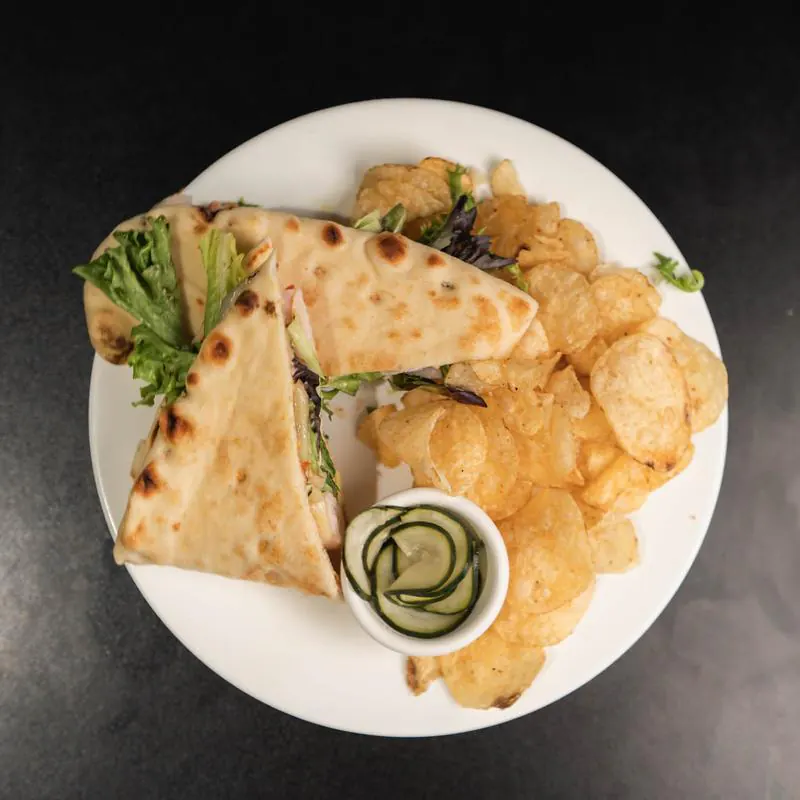
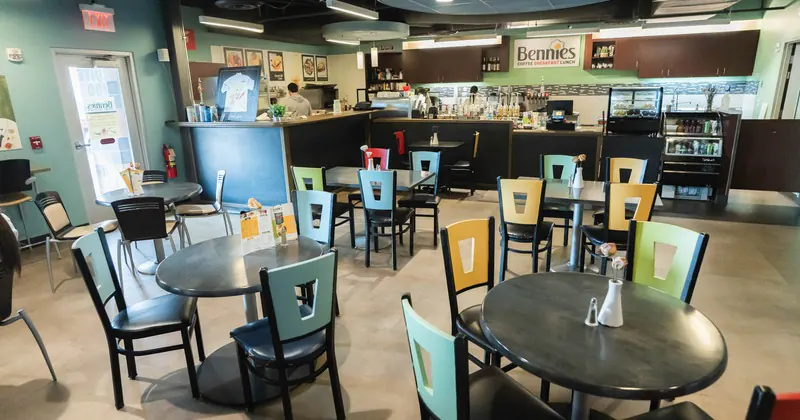
A café is generally an informal place to enjoy refreshments and a meal. Bennies Cafe in Monument serves breakfast and lunch in a counter-service setting, with options including eggs Benedict, sandwiches and crepes. Guests can eat in or arrange pickup.
What is the difference between a coffee shop and a café?
The terms often overlap. A coffee shop usually emphasizes coffee and other drinks, while a café may offer a broader food menu. Check the individual establishment's menu rather than relying on its name. Bennies Cafe offers coffee drinks alongside breakfast and lunch dishes.
What is the difference between café and coffee?
In everyday English, a café is a place where people buy food and drinks, while coffee is the beverage. The word café comes from the French word for coffee. Bennies Cafe serves options such as brewed coffee, espresso and lattes as part of its drinks menu.